Start Innovating with Digital Twin Solutions
The global digital twin market size is expected to reach $63.5 billion by 2027. This rapid growth is indicative of the immense value of digital twin development for many industries.
However, as these projects grow, the sheer volume of data often becomes a bottleneck. When artists and engineers work on the same digital twin modeling files from different locations, version sprawl creates chaos.
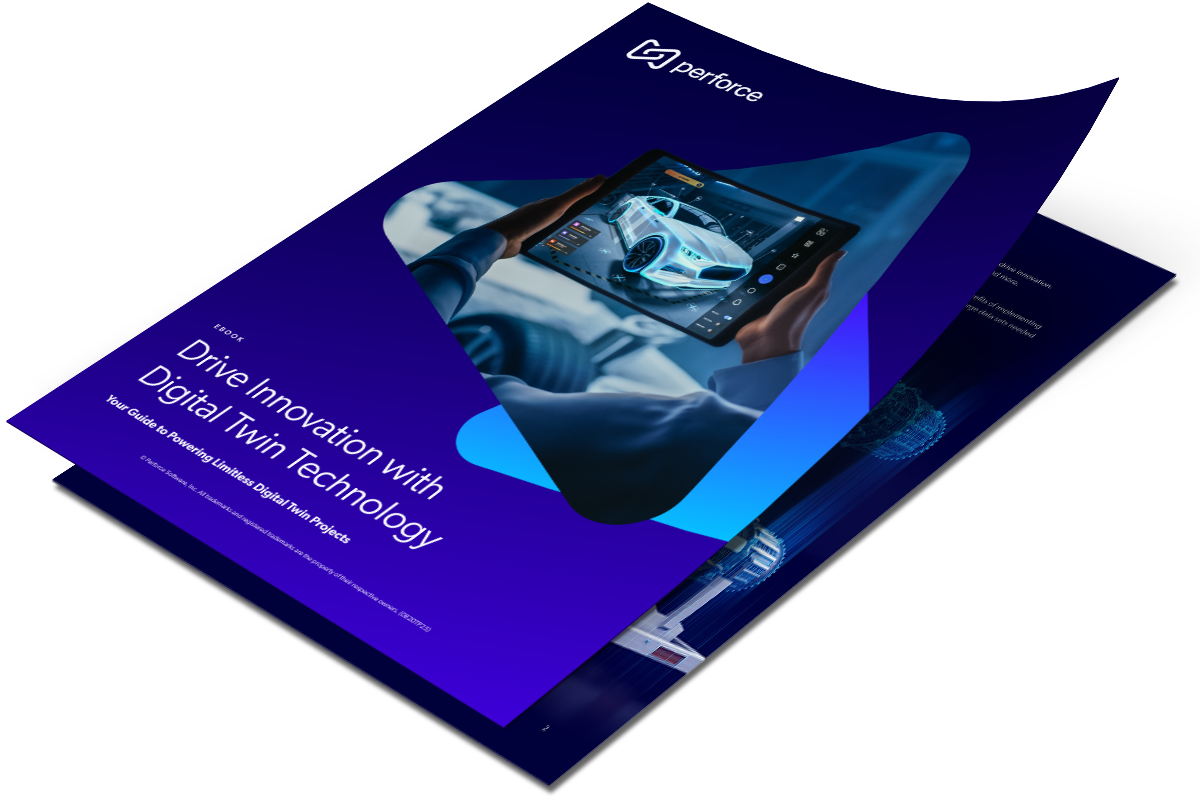
The future of digital twin technology needs a different kind of version control built for scale, speed, and security. Our comprehensive guide provides a strategic roadmap to build, manage, and scale your digital twin architecture effectively:
- A breakdown of challenges that stall projects and what a digital twin platform capable of handling them looks like
- Why a comprehensive digital twin platform for version control is important to prevent costly reworks and boost productivity
Perforce P4: Where Can You Use a Digital Twin Platform? Everywhere.
Automotive
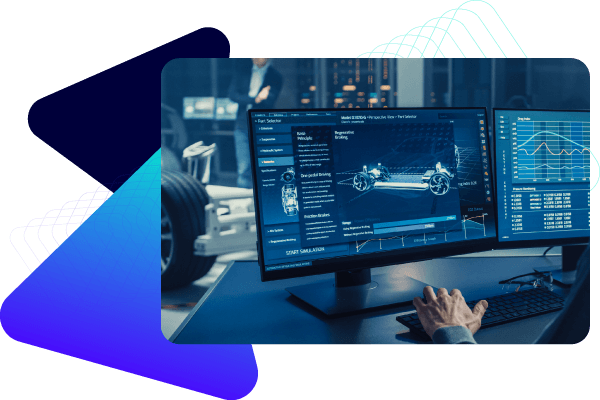
Porsche and BMW cut costs by simulating crash tests on different terrain and in unique situations with digital twin technology. GM went further by designing and testing the new Corvette entirely through digital twin modeling.
Manufacturing
Technicians can apply digital twin solutions for tasks like process optimization and product lifecycle management. Through tools like augmented reality (AR), virtual reality (VR), and mixed reality (MR), technicians see a machine’s current model overlaid on the physical equipment in front of them.

Aerospace
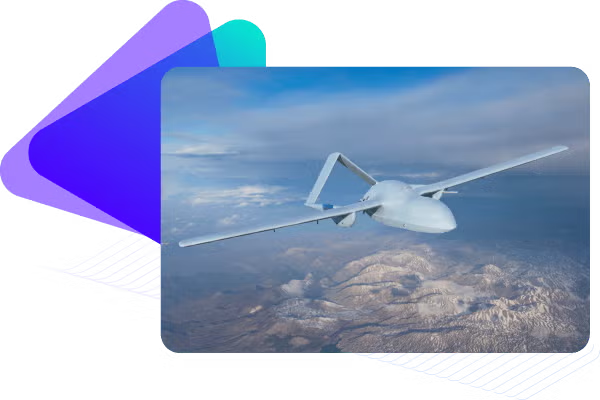
Boeing achieved a 40% improvement in first-time quality rates with digital twins to test components and predict engine performance, saving significant development time and cost. They also use IoT sensors to determine optimal cargo load balance.
Architecture & Construction
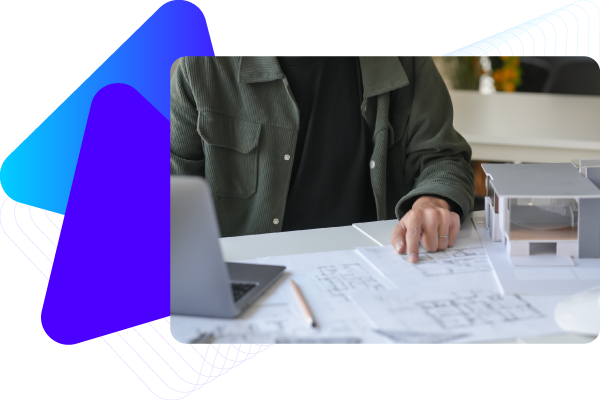
With digital twin solutions, architecture firm Foster + Partners captured real site data on a London development, feeding into a digital twin of the building. This resulted in a live comparison between design intent and built reality.
What P4 Does That Other Version Control Tools Don’t
P4 is a version control platform engineered to manage large datasets, complex digital twin architecture, and rapid iterations your digital twin product design requires.

Meet Safety Standards
Meet rigid safety standards (like ISO 26262) with traceable change histories for every asset to always be audit-ready.

Work with Global Teams in Real Time
Unify global teams, accelerate feedback, and ensure everyone's on the same page, regardless of their location.

Secure Your Files and Development Pipeline
Protect your intellectual property down to the file level. Give developers access to only the files they need, instead of entire repos.

Scale Beyond Limits
Effortlessly manage terabytes of assets, CAD models, and digital twin modeling iterations with no extra costs.

Accelerated Delivery
Streamline your pipeline, reduce bottlenecks, and drive your digital twin product design from concept to market faster than ever.

Free for Small Teams
For teams of up to five users and 20 workspaces, you get full access to P4 features that paying customers get.
Perforce Versions Alongside Your Digital Twin Software
P4 is a vital component of a team’s digital twin simulation software pipeline. It integrates with your preferred game engine, including Unity and Unreal.
See how to configure P4 version control to work with Unity Editor to access and edit assets from anywhere.
See how you can organize files of large projects across teams, track changes, and identify problems easily in Unreal Engine with P4.
"Helix Core [now known as Perforce P4] has become the central and critical tool to store everybody's work. Our teams are getting bigger and bigger. The speed, reliability, and scalability of Helix Core are crucial to Ubisoft, with more than 1,000 users depending on it."
Download Your Guide to Digital Twin Development
Turn your data into better decisions. Fill out the form to learn:
- How teams are managing digital twin construction and succeeding with digital twin technology.
- What you need to get started building digital twins.
- Tips to make your digital twin investment a success.
Ready to start building?
Frequently Asked Questions
Digital twin builders from Ansys and AWS, as well as the Azure digital twin tool, are some of the most popular options to drive digital twin development. Game engines, like Unreal Engine and Unity, also regularly rank among the best digital twin software. A version control tool like P4 is also typically needed as part of digital twin construction, as it can store the large, complex files involved in digital twin smart manufacturing.
Technology like Azure digital twins and other digital twin IoT tools can help reduce the cost, risks, and maintenance associated with a project. They’re also key for planning large, complex projects with many variables. However, digital twin technology can also introduce new IP security concerns and file storage concerns, requiring a strong version control foundation like P4.
Git is designed for source code, such as small text files and distributed repositories. Digital twin development involves enormous binary files, parallel teams, and IP that can’t be broadly shared. P4 handles file locking, permissions down to the individual file, and large-file performance that Git isn’t built for.
Completely free for up to 5 users and 20 workspaces, it’s the same P4 platform used by enterprise clients — not a stripped-down version with features removed. For a team starting its first digital twin project, it’s a full-capacity foundation with no upfront costs.