
Perforce Static Analysis Powers Mission-Critical Projects
Development teams involved in mission-critical projects are under more pressure than ever before to deliver safe, secure, and high-quality products, on-time and error-free. Whatever your project, our solutions provide the flexibility, speed, and precision for your specific criteria:
- Choose Helix QAC when compliance and accuracy are key to accelerating embedded development.
- Built for enterprise DevOps, Klocwork scales to projects of any size while delivering the speed you need to keep development velocity high.
- Powered by Helix QAC and Klocwork, Perforce Validate is a continuous security and code compliance platform that provides a single pane of glass for both products.
Recent product updates include:
- MISRA C++:2023 rule coverage – plus, improved enforcement of rules and directives for various standards compliance modules.
- Multi-compiler project support – now configure analysis settings for projects that use multiple compilers.
- Language improvements reducing false positives/negatives.
- Validate platform user experience enhancements.
See What's New in Helix QAC and Klocwork.
Trusted by Industry Leaders









How Does Perforce Static Analysis Support Embedded Software Development?
Static analysis supports embedded software development by enforcing coding standards and guidelines for mission-critical systems.
Perforce static code analyzers Helix QAC and Klocwork scan code for standards rule violations (like those for MISRA, DISA STIG, and CERT) and prioritize vulnerabilities based on risk, and prove compliance by automatically generating compliance reports.
See for yourself how the Perforce Static Analysis tools can help you stay on top of software development trends and standards compliance.
Request your free trial to get started.

Compliance

Safe, Secure, & Reliable Code

Higher Code Quality

Faster Releases
Why Static Analysis?
Static Analysis for C, C++, C#, Java, JavaScript, Python, Kotlin
For Safe, Secure, High-Quality Code. Faster.
Running static analysis is an important part of the software development process to ensure compliance with standards and guidelines such as:
- AUTOSAR
- MISRA
- ISO 26262
- ISO 21434
- IEC 62304
- ISO 21448 SOTIF
- ISO/IEC TS 17961
- CERT
- DISA STIG
- OWASP
- PCI DSS
- IEC 81001-5-1
Perforce static code analyzers Helix QAC and Klocwork make it easy to comply with coding standards, enforcing standards across your codebase and prioritizing violations based on risk, documenting your deviations, and monitoring compliance to specific standard rules. Also, you'll get fewer false positives in your diagnostics.

Improve Software Quality

Comply with Coding Standards

Code with Confidence

Reduce Technical Debt
Meet ISO 26262 Functional Safety Compliance Requirements
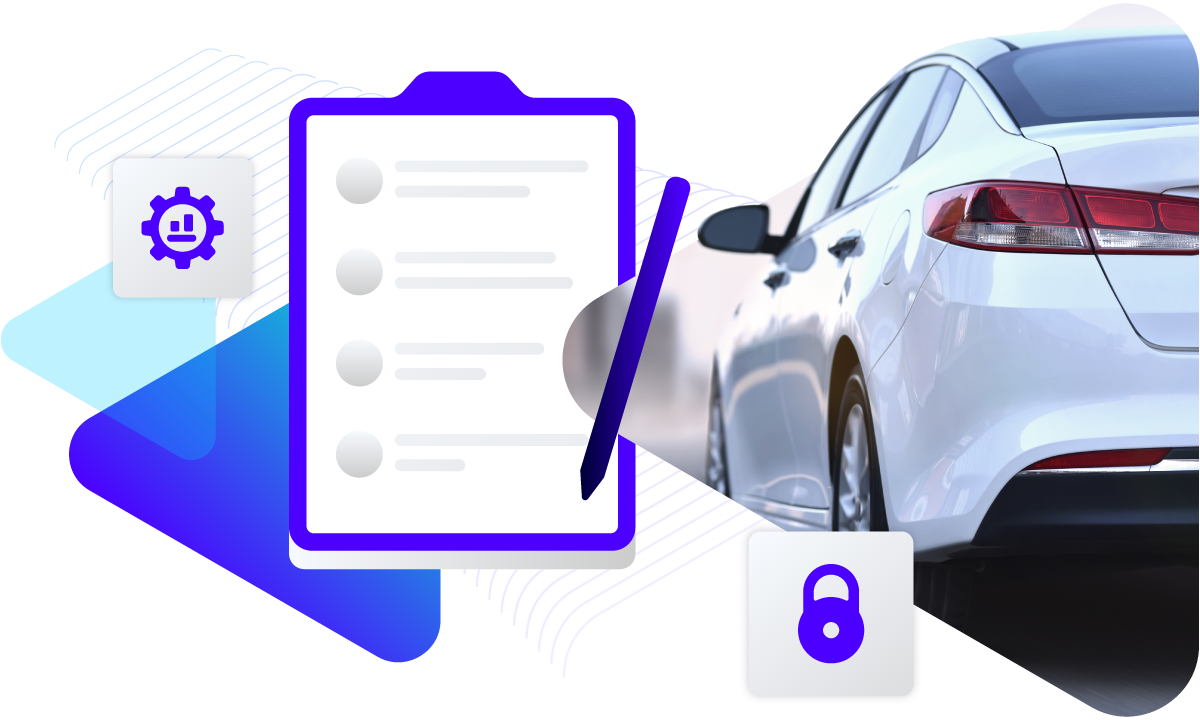
ISO 26262, titled “Road vehicles — functional safety”, is a risk-based functional safety standard that is critical to the automotive industry. Carmakers, their suppliers, and developers of automotive components are required to comply with the functional safety standard. However, meeting all the compliance requirements can be time consuming and difficult. That is why we make meeting compliance and traceability requirements easy.
One of the requirements for software compliance is the use of coding guidelines. While the most commonly used coding standards are MISRA C and C++, the AUTOSAR C++14 coding guidelines have been growing in popularity.
Using a certified static code analysis tool — such as Helix QAC and Klocwork — makes compliance to functional safety standards, coding standards, and writing error-free code easier. In addition, both Helix QAC and Klocwork are certified by TÜV-SÜD for the use for safety-related software development, including ISO 26262.
Meet IEC 81001-5-1 Compliance Requirements for Health Software Security
IEC 81001-5-1, titled "Health software and health IT systems safety, effectiveness, and security - Part 5-1: Security - Activities in the product lifecycle" is a cybersecurity standard that is critical to the medical technology industry. Organizations developing health software can use IEC 81001-5-1 to consider security in each phase of the software development lifecycle.
IEC 81001-5-1 also recommends coding standards such as MISRA and CERT, and databases such as the Common Weakness Enumeration (CWE) to give developers access to known issues so they can be incorporated into code inspection and testing strategies.
Applying coding standards can be time-consuming when carried out manually, so IEC 81001-5-1 recommends using a static analysis tool to automatically check the code for defects and vulnerabilities. Using a certified static analysis tool like Helix QAC and Klocwork makes it easy to accelerate compliance and ensure security.

Meet DISA STIG Security Compliance Requirements
DISA STIGs are IT security configurations designed by the U.S. Department of Defense that specify a set of policies, security controls, and best practices for securing operating systems, applications, and more.
Government agencies and defense contractors must comply with relevant STIGs, or else they could face large fines and heavy scrutiny — but it can be easy to fall out of compliance, as the DoD regularly updates 100s of STIGs.
Perforce Static Analysis and SAST tools Helix QAC and Klocwork automate compliance with DISA STIGs, helping organizations stay up-to-date and better manage security software. Our static code analyzers enforce coding rules and flag security violations. They can also check your code against the security weakness list, plus report on how well your code complies with DISA STIGs.
Benefits of Perforce Static Analysis

Coding Standards Compliance
Ensure your software is compliant with published, well-established coding standards, such as MISRA and CERT. Or, your own internal standard.

Functional Safety Certification
Perforce static code analyzers are pre-qualified for use in safety-critical applications. This makes it easier for you to gain certification for industry standards, such as ISO 26262 and IEC 62304.

Static Application Security Test (SAST)
Build continuous code security monitoring into your development process. SAST tools help to ensure that secure coding practices are properly implemented and that vulnerabilities are removed at the earliest opportunity. Review our SAST tutorial to help you understand more about this testing and why it is important.

Code Quality Management
Automate reporting on code quality trends and compliance status to effectively measure code quality metrics and track defects.

Large-Scale Projects
Manual code reviews are time-consuming and often vulnerable to human error. Perforce’s static code analyzers quickly inspect millions of lines of source code, identifying vulnerabilities in both legacy and new code.

Developer Productivity
Perforce’s static analyzers provide developers with feedback as they code, which reduces the number of mistakes and time spent on rework – lowering overall project costs.