
Perforce Policy Statement Regarding Slavery and Human Trafficking
Updated as of: August 5, 2026
Policy Statement
This policy statement (the “Policy Statement”) is published pursuant to Section 54 of the UK Modern Slavery Act 2015 and the California Transparency in Supply Chains Act of 2010. It covers the period from January 1, 2025 to December 31, 2025, and is made on behalf of Perforce Software, Inc., a Delaware corporation, and its subsidiaries (collectively, “Perforce”). This Policy Statement sets out the steps Perforce has taken and will continue to take, to prevent slavery, child labor, and human trafficking in its business and supply chains. Perforce monitors developments in, and is committed to meeting its obligations under, other applicable modern slavery, forced labor, and supply chain transparency laws in the jurisdictions where it operates.
Modern slavery is a crime and a violation of fundamental human rights. It takes various forms, such as slavery, servitude, forced and compulsory labor, and human trafficking, all of which have in common the deprivation of a person's liberty by another in order to exploit them for personal or commercial gain. Perforce is committed to acting ethically and with integrity in all of its business dealings and relationships and to implementing and enforcing effective systems and controls to ensure modern slavery is not taking place anywhere in or around its business.
Our Business
Perforce is headquartered in Minneapolis, Minnesota, USA with offices throughout North and South America, Europe, and the Asia-Pacific regions. Perforce is a leading provider of enterprise-grade DevOps tools designed to boost productivity, reduce risk, and lower costs by improving quality, security, compliance, and speed to market. Perforce’s product portfolio includes solutions for DevOps teams such as agile management and planning, developer productivity and collaboration, continuous software quality, security and compliance, developer frameworks and libraries, and platform automation.
Perforce’s supply chain includes software vendors, IT service providers, professional services firms, and other third- party partners that support our operations globally.
Policies and Governance
Honest and ethical conduct is critical to Perforce’s business. Our success depends on the trust we foster with our employees, with our customers and partners, and within our community by acting with integrity and in accordance with applicable laws.
To this end, Perforce has implemented several internal and external policies and procedures to ensure that we are conducting business in an ethical and transparent manner, including:
- Code of Conduct. Perforce’s Code of Conduct serves as the ethical cornerstone of Perforce’s operations, outlining Perforce’s values and guiding principles for its employees, customers, stakeholders, and the communities we serve. All employees are required to acknowledge the Perforce Code of Conduct annually. The Perforce Code of Conduct is designed to deter misconduct and promote:
- Honest and ethical behavior, including proper management of actual or perceived conflicts of interest;
- Compliance with all applicable laws, rules, and regulations;
- Prompt internal reporting of violations; and
- Accountability for adherence to these standards.
- Whistleblower Policy. Perforce maintains a confidential Ethics and Compliance Hotline, enabling employees and the public to report concerns—such as potential violations of law or suspected modern slavery—without fear of retaliation.
- Recruitment. Perforce operates robust recruitment processes, including conducting checks to determine eligibility to work in the country of employment for all employees to safeguard against human trafficking or individuals being forced to work against their will.
- Modern Anti-Slavery Statement. This Policy Statement outlines Perforce’s approach to identifying, preventing, and addressing risks of modern slavery within our operations and supply chains.
Risk Assessment and Due Diligence
Perforce assesses the risk of modern slavery across our operations and supply chain. Due to the nature of Perforce’s business, Perforce generally does not source materials associated with forced labor or child labor. Perforce does not pursue a strategy of low-cost country sourcing, and is foremost focused on vendor quality and risk avoidance.
Perforce understands that there is potential exposure to slavery, human trafficking, and forced labor when purchasing goods and services from third parties. To address this, each of Perforce’s partners and suppliers are assessed by Perforce prior to engagement to ensure sure they can meet and comply with Perforce’s policies as described above.
Perforce’s partners and suppliers are assessed on a periodic basis to verify such party’s compliance with Perforce’s policies and procedures. If a partner or supplier fails to provide adequate assurance prior to engagement, or reassurance during a review of their commitment against Modern Slavery, Perforce will seek further information to assess whether such partner or supplier can continue its business relationship with Perforce. In certain cases, Perforce may terminate or no longer pursue a relationship with that partner or supplier.
Training and Awareness
All employees receive training on the Perforce Code of Conduct and other relevant governance policies. Perforce also sends communications on relevant compliance topics to all employees. Perforce will continue to provide specific training related to slavery and human trafficking to key employees with direct responsibility for human resources, procurement, and supply chain management.
Measuring Effectiveness
Perforce measures the effectiveness of its efforts by monitoring whether any reports are received from employees, the public, or law enforcement agencies indicating modern slavery practices.
Remediation and Reporting
If Perforce identifies any instance of modern slavery or human trafficking, Perforce will take immediate and appropriate corrective action. Perforce is committed to supporting remediation efforts and ensuring that victims are protected.
Approval and Publication
This Policy Statement is issued by Perforce Software, Inc., in consultation with its subsidiaries and business units across the regions in which Perforce operates and reflects a shared understanding of modern slavery risks within its operations and supply chain. For the purposes of Section 54 of the UK Modern Slavery Act 2015, the Perforce entities that meet the reporting criteria for this reporting period are Perforce Software, Inc., Puppet, Inc., Rogue Wave Software, Inc., and Delphix Corp.
This Policy Statement has been approved by the Board of Directors of Perforce Software, Inc. on August 5, 2026.
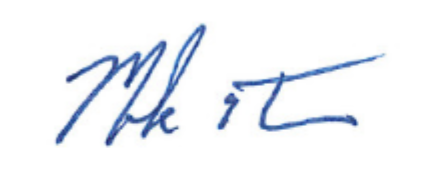
Mark E. Ties, Chairman of the Board
Perforce Software, Inc.